Course 1
CULINARY FUNDAMENTALS 1: KITCHEN ESSENTIALS
60 hours
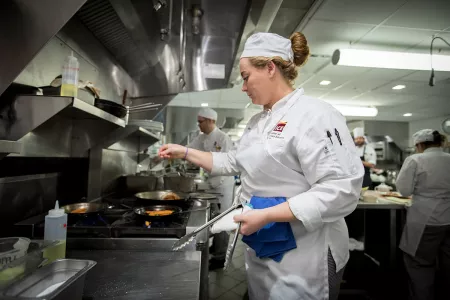
Every ICE's student's culinary career training program starts with a comprehensive introduction to knife skills and food safety. Afterward, you’ll use a range of methods for preparing vegetables, progressing from salads to complex plant-based cuisine. You will begin to explore the techniques that underlie fine cooking, including the concept of mise en place, which are critical in professional cooking environments.
Course highlights:
• Classical and contemporary knife skills.
• Food safety and sanitation.
• Product identification of vegetables, herbs, spices, legumes and more.
• Breakfast cuisine and egg cookery including emulsions.
Dishes include:
• Grilled Eggplant and Portobello Sandwich with Fresh Mozzarella and Romesco
• Vegetarian Three-Bean Chili with Ancho and Sweet Chile Peppers
• Curry-Garlic Roasted Cauliflower
Course 2
CULINARY FUNDAMENTALS 2: POULTRY, PORK & LAMB
48 hours
The first in a series of three courses on protein-based cuisine, this course covers key techniques like sautéing, roasting, braising and grilling. You will fabricate the essential cuts and prepare stocks and sauces that completely utilize each ingredient. Then you’ll prepare dishes to practice each technique and build your confidence and competence, with increasing attention to time management and organization.
Course highlights:
• Classical roasting, grilling, sautéing and braising techniques.
• Fabrication of poultry, pork and lamb.
• Introduction to sauce making.
• Modern techniques such as sous vide.
Dishes include:
• Sautéed Duck Breast with Orange Gastrique
• Pan Roasted Rack of Lamb with Red Wine Pan Sauce
• Grilled Brined Pork Chop with Potato Gratin
Course 3
CULINARY FUNDAMENTALS 3: VEAL, BEEF & SEAFOOD
56 hours
With the same structure as Course 2, you’ll fabricate steaks, cutlets and chops, and prepare soups, brown sauces and pan sauces as you continue to deepen your understanding of fundamental techniques. You’ll also start applying these methods to seafood, including flatfish, round fish and shellfish as you prepare dishes that highlight the special skills that these foods require.
Course highlights:
• Selecting and fabricating fish and shellfish
• Fabrication of large subprimals of beef
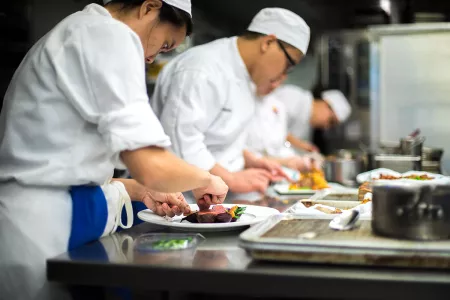
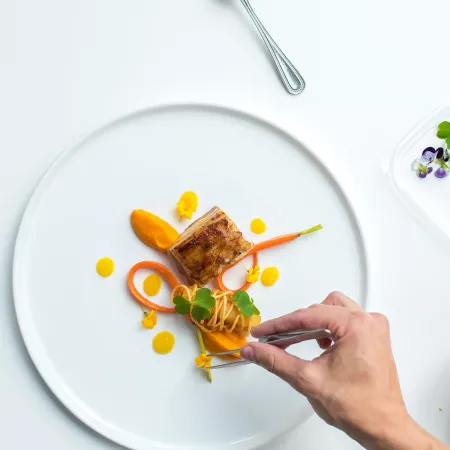
• Introduction to professional plating
• Roasting, grilling, sautéing, searing, poaching and braising techniques
Dishes include:
• Roasted Veal Tenderloin with Oyster Mushroom Cream Sauce
• Sautéed Filet Mignon with Beárnaise
• Lobster Rolls
• Bass en Papillote
Course 4
PLATING & RESTAURANT SIMULATION
52 hours
In this final course of the series, you’ll further refine your abilities as you produce composed entrées and simulate the experience of cooking in a restaurant, including more complex sauces. You will also gain exposure and prepare game specialties like rabbit, quail and venison.
Course highlights:
- Simulated restaurant environment
- Menu and plate development
- Salads and sandwich technique
- Fabricating and cooking game
Dishes include:
- Classic and Vegan Caesar Salads
- Pan-Seared Scallops with Spinach Risotto and Shiitake Bacon
- Braised Rabbit with Prosciutto and Broccoli Rabe
- Roasted Poussin with Truffle Butter
Course 5
PASTRY & BAKING
52 hours
The skills taught in this course are not just for desserts – they can be used in savory cooking. From custards and pizza to biscuits, frozen desserts and ice cream, you will prepare specialties that can be part of exciting entrees or memorable finales to the dining experience.
Course highlights:
- Fruit-based desserts
- Baking quiches, pies and tarts
- Introduction to bread baking
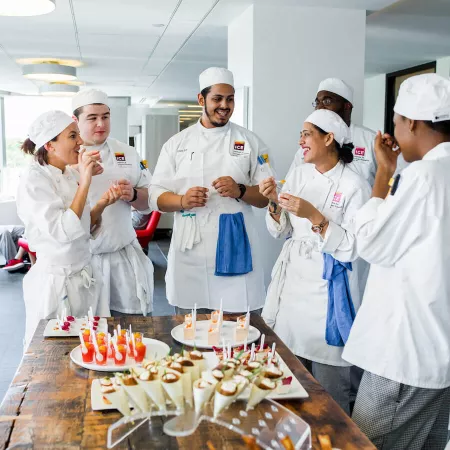
- Creating plated desserts
Dishes include:
- Chocolate and Cheese Soufflés
- Sweet and Savory Quick Breads
- Pizza and Flatbreads
- Crème Brûlée, Panna Cotta and Crème Caramel
Course 6
INTERNATIONAL CUISINE 1: MEDITERRANEAN, THE AMERICAS & ASIA
56 hours
Centering on flavor profiles and specific techniques, this course acquaints students with essential dishes from around the world on a culinary journey through the countries of the Mediterranean, North and South America, and Asia. Understanding the herbs, spices, ingredients and methods that characterize these cuisines will broaden your palate and culinary perspective, as international flavor profiles play a key role in contemporary culinary arts.
Course highlights:
- International palate development
- Creating an inviting dim sum buffet
- Studying the spice trade and Middle Eastern cooking
Dishes include:
- Chicken Mole
- Jamaican Jerk Chicken
- Chicken Korma
- Sushi
Course 7
INTERNATIONAL CUISINE 2: FRANCE, ITALY & GARDE MANGER
48 hours
France and Italy are considered the touchstones for all western cuisines — and for good reason. In this course, students become familiar with characteristic ingredients, methods and dishes from some of the most important cuisines in Europe. Using authentic recipes and ingredients, students are exposed to the diversity and beauty that characterize regional European cuisines.
Course highlights:
- Refine our palates with nuances of European cuisine
- Pasta making from scratch
- Preparing, stuffing and cooking sausages
- Making fresh mozzarella
Dishes include:
- Jambalaya
- Cassoulet
- Fresh Egg Pasta with Pork Ragu
Course 8
ADVANCED CUISINE
60 hours
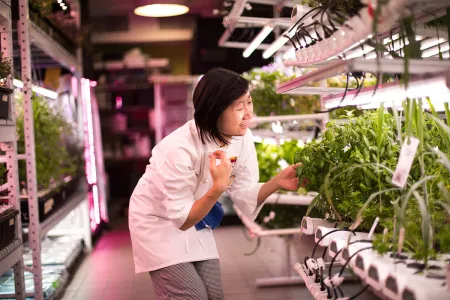
Whether with hydrocolloids, fermentation or plant-based cooking, today’s kitchens rely on innovative ideas and modern techniques to produce their signature dishes. In this course, you’ll study the methods, flavors and presentations that today’s best restaurants use to take food to the next level and create enjoyable dining experiences. Finally, with a basket of seasonal ingredients, students will work alone to create a unique menu that demonstrates their skill and creativity.
Course highlights:
- Fermentation, charcuterie and smoking
- Modern culinary techniques
- Advanced plating and presentation
- Advanced hors d’oeuvres
Dishes include:
- Roasted Green Chile Sausage
- Chicken Gallantine
- Kimchi Consommé
- Sous Vide Short Ribs
Course 9
EXTERNSHIP
210 hours
At the end of their in-class culinary career training program, all students complete an externship course. While ICE strongly recommends that students extern in restaurant kitchens, individuals may request venues such as hotels, catering companies, corporate dining rooms or test kitchens in accordance with their professional goals.
Course 13
EXTERNSHIP
210 hours
At the end of their in-class training, all students complete an externship course. While ICE strongly recommends that students extern in restaurant kitchens, they may request venues such as hotels, catering companies, corporate dining rooms, test kitchens or food magazines in order to meet their professional goals.

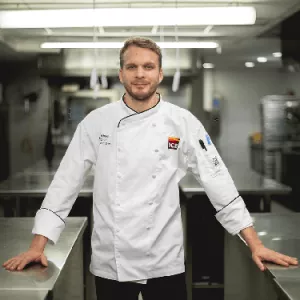
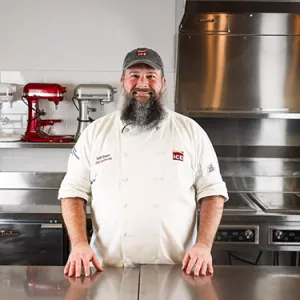
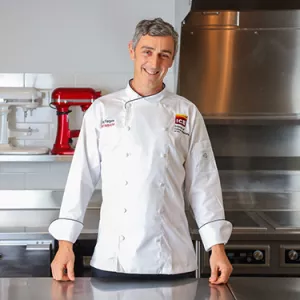
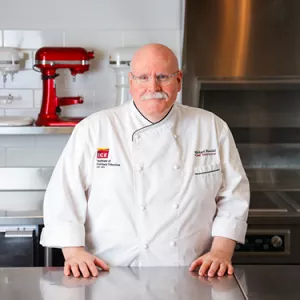


 "ICE helped lay the foundations of my education as a chef. It was there that I learned the basics, and those lessons have stayed with me throughout my entire career, from Paris to Monte Carlo to New York City."